



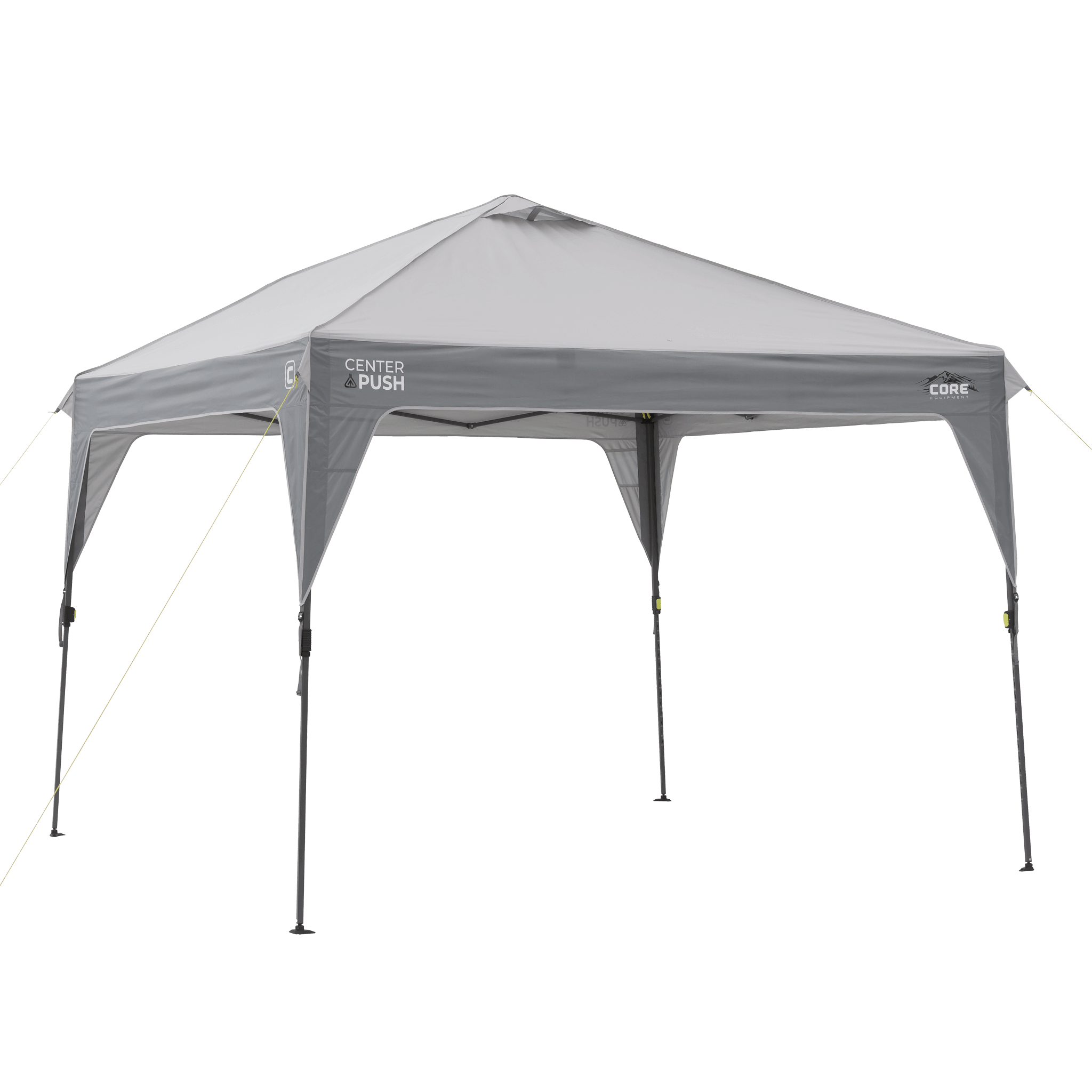

A snapped pole on the night before a camping trip feels like a crisis. A torn rainfly after a windy weekend feels like the end of a perfectly good tent. But replacing one broken part is almost always cheaper, faster, and less wasteful than buying a whole new shelter. Most tent repairs cost under $25, and many take less than 10 minutes.
Whether you own a cabin tent, a dome tent, or an easy setup tent with pre-attached poles, the fix usually starts with identifying what broke and matching the right replacement. Here's how to do that step by step.
Figure Out What Actually Broke
Before ordering anything, take a close look at the damage. Most tent issues fall into a handful of common categories.
- Poles: Bent, cracked, or snapped sections are the most common failure, especially after high winds.
- Rainfly: Tears or worn coatings show up after a few seasons of UV exposure.
- Fabric and seams: Small rips in walls or floor panels can grow if left unpatched.
- Connectors and hubs: Corner joints and hub fittings can crack from repeated setup.
- Stakes and guylines: Lost or bent stakes are the easiest fix on this list.
Locate Your Tent's Model Number
Start with the model number. Every tent has one, and replacement parts are matched by model, not by general tent size or shape.
Where do you find your CORE tent model number? Check these spots:
- The tag inside the tent body, usually near the door or along a seam
- The carry bag, which often has a printed label with the model name and number
- Your original receipt or order confirmation email
- The product page on the manufacturer's website, where you can match your tent's appearance to the listing
For CORE tents, the model number is a five-digit code (like 40027 or 40062) printed on the interior tag. Having that number ready makes ordering the exact part straightforward.
Order the Right Replacement Part
Once you have your model number, matching the correct part is much simpler.
CORE stocks replacement parts for most tent and canopy models, including individual poles, rainflies, corner joints, hub connectors, battery compartments for lighted tents, and carry bags. Parts are organized by product type: instant tents, traditional tents, canopies, and screened shelters.
For tent fabric damage that doesn't require a full panel swap, the CORE Patch Kit Bundle covers small tears with adhesive patches. For rainfly replacement on larger tents, full-coverage options are available as standalone tent and shelter accessories.
Can You Replace a Broken Tent Pole Yourself?
Yes, and most pole replacements are simpler than people expect.
- Single-section poles slide in and out of fabric sleeves or clip attachments. Remove the broken section, slide in the new one, and reattach.
- Scissor pole assemblies on canopies bolt together at pivot points. Replacing one usually involves removing a few screws and swapping the unit.
- Pre-attached pole systems on instant tents are more integrated. If the frame on an easy setup tent is damaged at the hub, a replacement connector or joint often fixes the issue without replacing the entire frame.
For any repair you're unsure about, CORE's customer service team can walk you through the process. We also have replacement part replacement tutorials available on our YouTube channel here: CORE Replacement Part Guide
When to Repair vs. When to Replace Your Tent
Not every tent is worth repairing. Here's a quick guide for deciding.
Repair makes sense when:
- A single pole, joint, or rainfly is damaged
- The tent floor and walls are still in good shape
- Your tent is under two to three years old
- Replacement parts are available for your model
Replacing makes sense when:
- Multiple components have failed at once
- The fabric is heavily delaminated or UV-damaged across large areas
- Your tent model has been discontinued, and parts aren't available
- You've outgrown the tent's size for your current group
Extend Your Tent's Lifespan
A few simple habits keep parts from breaking in the first place.
- Dry your tent fully before storing. Moisture causes mildew and fabric breakdown.
- Use a footprint. Ground tarps protect the floor from punctures. CORE offers footprints sized to specific tent models.
- Reapply water repellency. Products like Nikwax Tent & Gear SolarProof restore the DWR coating that fades with UV exposure.
- Store loosely. A loose roll in the carry bag is better for long-term storage than cramming into a tight stuff sack.
- Check your warranty coverage. CORE covers manufacturing defects for one year from the purchase date.
Keep Your Tent Going Strong
A single broken part doesn't have to end a tent's life. With the right model number and a few minutes of work, most repairs are simple and affordable. Browse CORE's replacement parts collection to get your shelter back in shape for the next trip.

Frequently Asked Questions
Where Do I Find My Core Tent Model Number?
Locate your CORE tent's model number on the interior tag or carry bag, then search the manufacturer's replacement parts page for poles that match your model.
Where Can I Buy CORE Tent Replacement Parts?
CORE sells replacement poles, rainflies, hubs, and patch kits directly through the replacement parts section on coreequipment.com.
Does CORE's Warranty Cover Broken Tent Poles?
CORE's one-year warranty covers defects in materials and workmanship. Damage from wind, misuse, or normal wear and tear is not covered.
Can I Use a Generic Pole to Replace a Broken One?
Generic poles may not match the diameter, length, or connector style of your tent. Using the manufacturer's replacement ensures proper fit and structural integrity.
How Do I Patch a Small Tear in My Tent Fabric?
Clean the area around the tear, let it dry, and apply an adhesive fabric patch on both sides. Patch kits designed for tent fabric create a water-resistant seal.
Should I Replace My Tent's Rainfly or Just Recoat It?
Recoating works for minor water-repellency loss. A full replacement makes more sense when the fabric is torn, heavily delaminated, or no longer holding its shape.


