


![CORE Climakeep 24 can cooler angled view in charcoal with a waterproof design and a shoulder strap. [color:charcoal]](http://www.coreequipment.com/cdn/shop/files/core-24-can-climakeep-backpack-cooler-charcoal-main.png?v=1772230144&width=2048)
![CORE Climakeep 24 can cooler angled view in mulberry with a waterproof design and a shoulder strap. [color:mulberry]](http://www.coreequipment.com/cdn/shop/files/core-24-can-climakeep-bac_ack-cooler-mulberry-main.png?v=1772230034&width=2048)
![CORE Climakeep 24 can cooler angled view in sage with a waterproof design and a shoulder strap. [color:sage]](http://www.coreequipment.com/cdn/shop/files/core-24-can-climakeep-backpack-cooler-sage-main.png?v=1772554650&width=2048)
![CORE Climakeep 24 can cooler angled view in shadow gray with a waterproof design and a shoulder strap. [color:shadow gray]](http://www.coreequipment.com/cdn/shop/files/core-24-can-climakeep-backpack-cooler-shadow-gray-main.png?v=1772657584&width=2048)
![CORE Climakeep 24 can cooler angled view in steel blue with a waterproof design and a shoulder strap. [color:steel blue]](http://www.coreequipment.com/cdn/shop/files/core-24-can-climakeep-backpack-cooler-steel-blue-main.png?v=1772657357&width=2048)

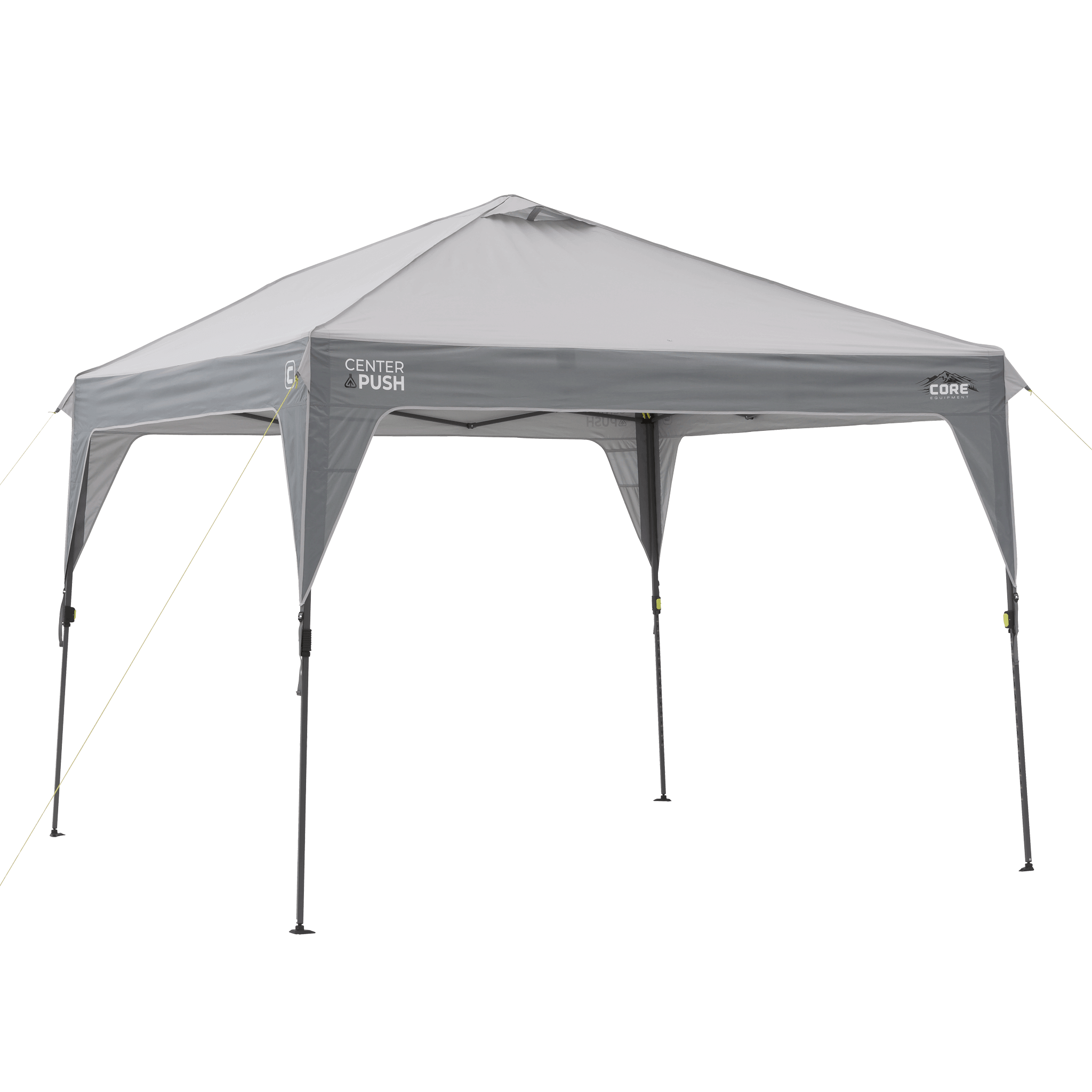

Keep Your Tent Ready for the Next Trip
Your tent is your home away from home. Whether you camp year-round or once in a while, keeping your tent clean and storing it properly keeps it dependable and ready when you need it. Camping can be tough on your tent. It gets scraped on the ground, brushed by branches, coated in dust and pollen, and sometimes even gets soaking wet along the way. Over time, all that dirt and grime affect how well your tent performs. Without the proper cleaning and storage, your tent can develop mildew, odors, or other damage that makes your next camping trip harder than it needs to be. Cleaning and storing your tent the right way helps keep it comfortable and functional.
Why should you clean your tent?
Cleaning your tent prevents damage from dirt, grime, and moisture. Without proper care, your tent can develop mold, odors, or weakened fabric, which can make future trips less enjoyable. Taking care of your tent immediately after a trip helps it stay in top condition and ready to use.
How often should you clean your tent?
How often you clean your tent depends on how often you camp. After a long trip, a thorough cleaning is recommended. If you go on several short trips in a row, clean your tent as needed. Anytime you notice dirt, tree sap, animal droppings, or other buildup, it’s a good idea to wash your tent before storing it.
Key tip for tent maintenance:
Always pay attention to what your tent has been through. Don’t let grime or moisture sit for too long. This simple step can significantly extend your tent’s lifespan.
Tent Cleaning Mistakes to Avoid
While cleaning your tent is vital, not all cleaning methods are safe for your tent. Avoid using dish soap, bleach, spot removers, and laundry presoak products to wash your tent. These can strip away waterproof coatings and weaken your tent’s materials. You want to use a cleaner made specifically for outdoor gear, like NikWax Tent and Gear SolarWash. If you do not have NikWax on hand, an unscented, non-detergent soap (like gentle hand soap) works just fine.
You should never put your tent in a washing machine or dryer. Even on a gentle cycle, washing machines are too rough and can damage your tent’s fabric, rip holes in the mesh, and deteriorate the water-resistant coating. Dryers are even worse, as heat can break down materials quickly. You should always clean your tent by hand. That might sound like a chore, but it’s easier than you might think.
How to Clean Your Tent the Right Way
Keeping your tent clean extends its life and keeps it performing at its best. Here’s how to do it step by step.
Step 1: Remove Dirt and Debris While the Tent is Dry
Start by clearing out loose dirt and debris before adding water or soap. If you have space, set up your tent and sweep or vacuum the inside to get rid of crumbs, leaves, and dirt. You can also do this at the campsite before packing up. Brush off dust and debris from the outside as well. Removing grit first makes scrubbing easier later and helps protect the fabric from damage.
Step 2: Spot Clean Instead of Soaking
Most tents, including CORE tents, do not require a full soak every time they’re cleaned. Focus on spot cleaning visibly dirty areas using cool water, a soft sponge, or a non-abrasive cloth. This gentle method keeps the fabric in good condition while effectively removing dirt.
Step 3: Use a Tent Cleaner
For tents that need extra care, use a specialized cleaner like NikWax SolarWash. First, moisten the dirty area with water. Next, spray the SolarWash directly onto the fabric. Then, gently scrub with a soft sponge, letting the water and soap do the work. Avoid aggressive scrubbing to prevent wear. Lastly, rinse your tent thoroughly to remove any remaining soap residue.
Deep Clean for Dirt, Odors, or Mold
If your tent is heavily soiled or has lingering odors, perform a deep clean. Start by hosing your tent off or soaking it in a tub of cool, soapy water. If you notice mold, mildew, or lingering odors, use an enzyme cleaner like Gear Aid Revivex Odor Eliminator to safely break down bacteria. Sticky messes like sap, grease, or duct tape residue can also be removed with NikWax SolarWash.
Drying Your Tent Is Non-Negotiable
A tent should always be completely dry before it’s stored. Never pack your tent away while it's still wet. Packing it away damp makes it easy for mold and mildew to develop, leading to odors and long-term damage. Moisture can also cause hydrolysis, which breaks down waterproof coatings over time, causing your tent to fail. Taking a few extra minutes to dry your tent helps keep it dependable, so when it’s time to get outside again, your gear is ready, and nothing stands in your way.
What’s the best way to dry an instant tent?
For instant tents, set them up outside in indirect sunlight. Fresh air and gentle warmth help moisture evaporate efficiently without exposing the fabric to harsh UV rays. While it might be tempting to leave your tent baking in full sun, prolonged direct sunlight can weaken tent materials and shorten its lifespan. Shade or filtered light is your best bet.
How do I dry a traditional, non-instant tent?
If you have a traditional tent, you don’t necessarily need to set it up fully. Hanging the tent fabric to dry, especially the floor and rainfly, works just as well. The key is making sure all parts of the tent are completely dry before storing. Make sure to double-check that your tent’s seams, mesh, pockets, and rainfly are completely dry before packing it away long-term.
What if I have to pack my tent away wet?
Sometimes, due to weather or time constraints, you may need to pack up your tent while it’s still damp. If that happens, unpack it as soon as you get home and set it up to dry completely. Doing this simple habit can add years to your tent’s lifespan.
Should I inspect my tent before storing it?
Absolutely. Before putting your tent in storage, inspect every part carefully. Look for small rips, tears, or holes in the fabric or mesh. Catching these early makes repairs much easier. Products like CORE patch kits or Gear Aid seam sealer work well for quick fixes and can prevent minor issues from turning into major problems later.
This is also the perfect time to check all guylines, stakes, and other essential pieces. Make sure nothing is missing and that everything is in good condition. Double-checking now saves headaches on your next camping trip. You’ll be glad you took the time to make sure your tent is complete and ready for adventure.
Smart Storage for a Longer Tent Life
Proper storage is one of the easiest ways to extend the life of your tent. Even a high-quality camping tent can develop wear, creases, or mildew if stored incorrectly. By taking a few simple steps, you can protect your fabric, poles, and waterproof coatings, ensuring your tent stays ready for every camping trip.
Store Your Tent Loosely, Not in the Carry Bag
The carry bag is great for travel and short-term storage, but it’s not ideal for long-term tent care. Packing your tent tightly for months at a time can stress the fabric and cause it to wear faster. For long-term storage, gently fold your tent or place it in a breathable mesh sack. This allows the materials to relax, prevents permanent creases, and helps any leftover moisture evaporate, keeping your tent ready for your next trip.
Proper Folding for Shock-Corded Poles
If your tent has shock-corded poles, fold them from the middle outward rather than starting at one end. This balances tension across the poles, reducing wear and extending their lifespan, saving you from costly replacements in the future.
Choose the Right Storage Location
Where you store your tent matters as much as how you store it. Ideal locations are cool, dry areas with stable temperatures, such as closets inside your home or under beds. Avoid basements, attics, or car trunks for long-term storage, as these areas can experience temperature swings and moisture buildup that gradually damage your tent.
Regular Care Makes Tents Last Longer
Caring for your tent doesn’t need to be complicated. After each trip, a few simple steps—gentle cleaning, thorough drying, quick repairs, and proper storage—can keep your tent comfortable, reliable, and ready to camp whenever you are. A well-cared-for tent sets up easily, keeps you dry, and ensures every campout is hassle-free.
Functional Gear for Every Camping Trip
Just like the start of your trip, the end of it matters too. Taking care of your tent through proper cleaning, thorough drying, and smart storage keeps it comfortable, reliable, and ready for every outing. A well-maintained tent performs better and lasts longer, so you can focus on enjoying your time outdoors instead of worrying about your gear.
Building the perfect campsite goes beyond just your tent. From sleeping bags and cots to lanterns and portable chairs, the right gear makes every trip easier and more enjoyable. Explore our full range of camping products, designed to go together, to create a campsite that’s organized, functional, and ready to camp whenever you are.


