



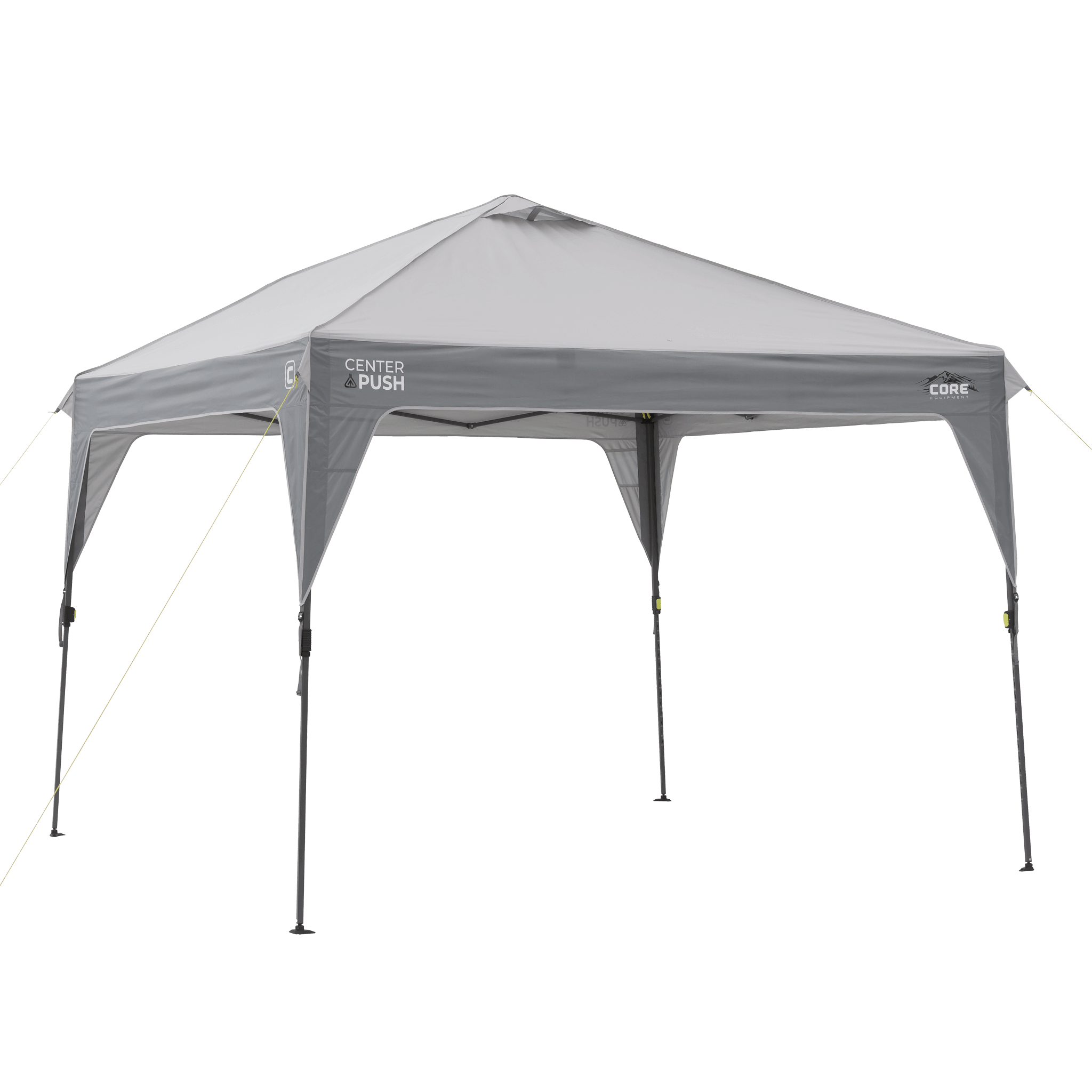

Buying a tent should be straightforward, but one scroll through the options and you're buried in capacity ratings, fabric specs, and pole systems that all sound the same. So, what actually matters?
Whether you're shopping for your first family tent or replacing one that's seen better days, the decision comes down to three things: how much space you need, how well the tent handles weather, and how fast you want to set up. Here's how to sort through tents for camping and pick the right one.

Getting the Size Right
Tent capacity is where most people get tripped up. A tent rated for six people technically fits six sleeping bags on the floor, edge to edge, with nothing left over. No gear, no extra room.
The best approach to finding the right tent for your group is to multiply your group size by two. A family of three should look at a 6-person tent. A group of four is better off in an 8-9 person model. The “extra space” gives you plenty of room to move around, sleep comfortably, and store your gear when you’re not using it.
Here's a quick sizing reference:
| Group Size | Rated Capacity to Look For | Best For |
|---|---|---|
| 1 to 2 people | 3-4 person | Solo or couples |
| 3 to 4 people | 6-9 person | Small families |
| 5 or more | 10-12 person | Large families, groups |
Standing height matters too. A cabin tent with 6 to 7 feet of center height lets you change clothes and organize gear without crouching. CORE's straight-wall cabin tents reach up to 86 inches with near-vertical walls, so usable space goes all the way to the edges.
Understanding Weather Protection
What should you look for when buying a tent for weather protection? A few things working together:
- Water-resistant fabric
- Sealed or taped seams that prevent water from seeping through stitch holes
- A rainfly that covers the tent roof and deflects rain away from the tent body
- Guylines that keep the tent taut so water runs off instead of pooling
- Fully zippered windows that close out wind-driven rain
CORE tents use H2O Block™ Technology across the lineup, which includes all five of those components. For campers who want maximum rain coverage, full rainfly tents extend the fly from peak to ground on all sides.
How to Choose a Tent for Hot Weather
Staying cool matters just as much as staying dry. When temperatures climb, a tent without good ventilation turns into an oven.
Look for ground-level intake vents (which pull cooler air in near the floor) and mesh ceiling panels (which let warm air escape through the top). CORE dome tents feature panoramic mesh ceilings and adjustable ground vents for airflow in warm conditions. Models with a partial rainfly let you leave the mesh exposed on clear nights while the fly still covers critical seams.
Choosing a Setup Style
Setup speed affects how much you enjoy arrival day, especially with kids or limited daylight. Tents for camping fall into three main setup categories.
- Dome tents use a traditional pole-and-sleeve or clip system. Setup takes about 10 to 15 minutes. Dome shapes handle wind well and pack compactly, making them a solid choice for campers who prioritize portability.
- Cabin tents prioritize interior space with tall, straight walls and room-divider options. Standard cabin tents take 15 to 20 minutes to assemble, but the payoff is standing height and a layout that feels more like a room than a shelter.
- Instant tents use pre-attached poles that lock into place. An instant tent from CORE sets up in about 60 seconds for 6-person models and roughly 2 minutes for 9-12 person models using Instant Hub Technology. For families and first-time campers, an instant tent is often the easiest tent to set up.
Best Tent Features for Families
Families have specific needs that solo campers and couples don't. When shopping for a family tent, prioritize features that make camp life easier for everyone.
- Room dividers separate sleeping areas for kids and adults, or create a darker naptime zone during the day.
- Multiple doors reduce the chance of waking a sleeping child when you come and go.
- Electrical ports keep devices charged without running cords through a zipper gap.
- Interior storage pockets and gear lofts keep small items off the floor.
- Built-in LED lighting provides ambient light for bedtime routines. CORE's lighted instant cabin tents include ceiling-pole LEDs with an amber nightlight mode.
Pick the Tent That Fits How You Camp
Once you know your group size, your season, and how fast you want to be set up, choosing a tent gets simple. Match those three factors to the right style and enjoy the trip instead of second-guessing the gear. Browse the full tent collection from CORE and start with the setup that fits your next trip.

Frequently Asked Questions
What Should I Look for When Buying a Tent?
Focus on capacity (multiply your group by two), weather protection rating, ventilation, setup speed, and standing height. Match those to your camping style.
How Do I Choose a Tent for Hot Weather?
Look for mesh ceiling panels, ground-level intake vents, and a removable or partial rainfly. Good airflow keeps the interior comfortable on warm nights.
What Does Hydrostatic Rating Mean for a Tent?
A hydrostatic head rating measures water resistance. A 1200mm rating handles moderate to heavy rain. Higher numbers mean the fabric resists more water pressure before leaking.
Are CORE Tents Waterproof?
CORE tents are water-resistant, not waterproof. H2O Block™ Technology combines 1200mm fabric, sealed seams, a taped rainfly, guylines, and zippered windows for reliable weather protection.
What Is the Easiest Tent to Set Up?
An instant tent with pre-attached poles. CORE's Instant Hub Technology lets you set up a 6-person tent in about 60 seconds and a 9-12 person tent in roughly 2 minutes.
Do I Need a Full Rainfly?
A full rainfly provides the most rain coverage by extending from the roof to the ground. Partial rainflies work well in fair weather and offer better ventilation.
Are Cabin Tents Better Than Dome Tents?
Neither is better overall. Cabin tents offer more headroom and living space. Dome tents pack smaller and handle wind well. Choose based on whether space or portability matters more.


