


![CORE Climakeep 24 can cooler angled view in charcoal with a waterproof design and a shoulder strap. [color:charcoal]](http://www.coreequipment.com/cdn/shop/files/core-24-can-climakeep-backpack-cooler-charcoal-main.png?v=1772230144&width=2048)
![CORE Climakeep 24 can cooler angled view in mulberry with a waterproof design and a shoulder strap. [color:mulberry]](http://www.coreequipment.com/cdn/shop/files/core-24-can-climakeep-bac_ack-cooler-mulberry-main.png?v=1772230034&width=2048)
![CORE Climakeep 24 can cooler angled view in sage with a waterproof design and a shoulder strap. [color:sage]](http://www.coreequipment.com/cdn/shop/files/core-24-can-climakeep-backpack-cooler-sage-main.png?v=1772554650&width=2048)
![CORE Climakeep 24 can cooler angled view in shadow gray with a waterproof design and a shoulder strap. [color:shadow gray]](http://www.coreequipment.com/cdn/shop/files/core-24-can-climakeep-backpack-cooler-shadow-gray-main.png?v=1772657584&width=2048)
![CORE Climakeep 24 can cooler angled view in steel blue with a waterproof design and a shoulder strap. [color:steel blue]](http://www.coreequipment.com/cdn/shop/files/core-24-can-climakeep-backpack-cooler-steel-blue-main.png?v=1772657357&width=2048)


Camping puts your tent through a lot. It gets dragged over rough ground, picks up dust, dirt, sand, and mud, and handles whatever weather comes its way. Even on calm, sunny days, UV rays can slowly weaken the fabric, while repeated pitching, packing, and exposure to the elements can wear down your tent’s waterproof coating. Over time, this protective layer can fail, causing rain to soak into the fabric rather than bead off, which makes your tent heavier, slower to dry, and more prone to leaks.
The good news is that restoring your tent’s waterproof coating is a straightforward and simple process. The first step is keeping your tent clean. Removing dirt and debris helps the waterproof coating adhere properly and preserves the fabric’s strength. For tips on properly cleaning your tent before waterproofing, check out our in-depth guide:
How To Clean and Store Your Tent
NikWax: A Trusted Solution for Waterproofing
Once your tent is clean, it’s time to add the new waterproof treatment. We recommend using Nikwax Tent & Gear SolarProof to restore both water repellency and UV protection to your tent. Designed for synthetic outdoor gear, it reinforces the tent’s waterproof layer while helping shield the fabric from sun damage. With regular reproofing and proper maintenance, your tent will stay dry, durable, and ready for all your camping trips, season after season.
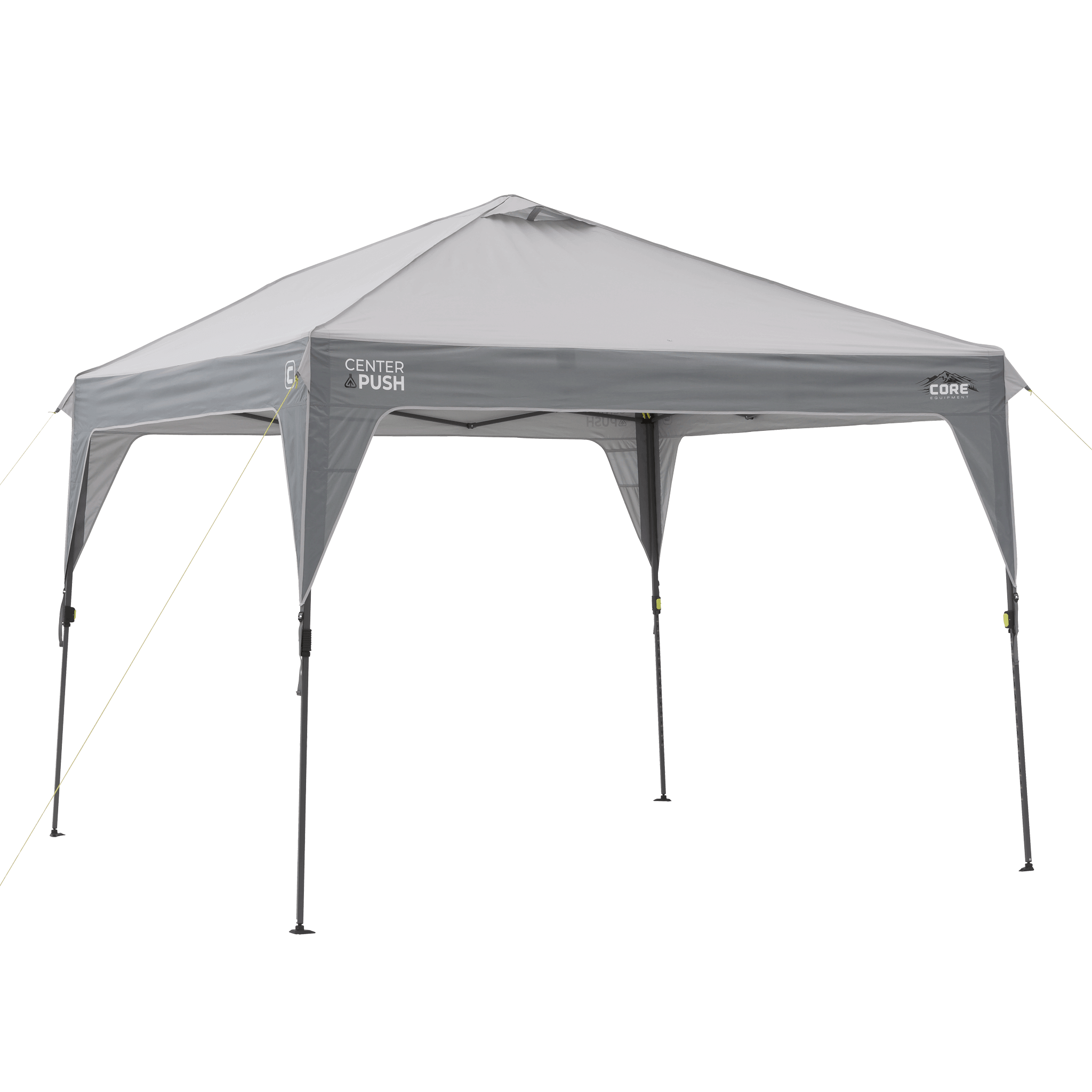
Nikwax is a trusted, water-based treatment designed to restore water repellency to outdoor gear. For tents, Nikwax SolarProof refreshes the durable water repellent (DWR) coating while also adding additional UV protection. Because it is water-based, it is safe for tent fabrics and coatings and does not require heat to activate. Pro tips: you can use it on your CORE canopy tops too!
This guide will walk you through everything you need to know to safely and effectively waterproof your tent, so it performs at its best for years to come.
How to Tell If Your Tent Needs Waterproofing
For most campers, reapplying their tent’s waterproof coating at the beginning of each camping season is usually enough. But tents that see frequent use, spend lots of time in the sun, or are exposed to consistently wet conditions may need a little extra attention. Doing a quick check before each camping trip is an easy way to know whether your tent is ready to camp or due for some waterproofing care.
So, how can you tell when it’s time to re-waterproof? One of the easiest signs is when rain stops beading up on your tent’s fabric and starts soaking in instead. You might also notice the fabric looking dull, feeling less slick than it used to, or even a little damp when it hasn’t rained. Dark patches or flakiness on the underside of the fabric are another clue, and in some cases, the material can feel sticky or tacky to the touch. All of these indicate that your tent’s protective coating is worn down and could use a refresh.
If you aren’t sure whether or not your waterproof coating is wearing down, try a simple spray test. Fill a spray bottle with water and mist it over your tent fabric to mimic rain. (If you don’t have a bottle, a garden hose with a rain-like nozzle works just as well.) Watch how the water behaves: if it beads up and rolls off, your tent’s water-resistant coating is still doing its job. If it soaks into the fabric, it’s time to re-proof your tent.
By checking for these signs regularly, you can keep your tent performing at its best, so you can stay dry and comfortable no matter the weather.
How to Waterproof Your Tent with Nikwax
Before applying any waterproofing, remember that your tent must be clean. Dirt, dust, and residue can prevent coatings from bonding properly with the tent’s fabric. Take the time to remove the built-up grime. This step is essential and shouldn’t be skipped.
Step 1: Apply the Waterproof Treatment
While your tent is still wet, spray Nikwax SolarProof evenly over your tent’s exterior fabric. Be sure to cover seams and high-wear areas, as these spots are more prone to water absorption. For larger tents, it helps to work in sections to ensure every area gets treated.
Step 2: Let It Soak In
After spraying, allow the product to absorb into the fabric for 2–3 minutes. Areas where the original coating has started to wear down will naturally absorb the treatment. Once it’s absorbed, wipe away any excess product or drips with a clean cloth to prevent streaks.
Step 3: Allow Your Tent to Fully Dry
Set up your tent in a well-ventilated area and let it dry completely and naturally. Keeping the tent upright ensures airflow and even drying. Avoid putting your tent in the dryer, applying heat, or packing the tent while it’s still damp. Storing a wet tent can lead to mildew, odors, and fabric damage.
Following these steps help restore both waterproofing and UV protection, keeping your tent strong, dry, and ready for every camping trip. If you’d prefer a visual walkthrough, check out our video guide to see exactly how to waterproof your tent step by step. Watching it can make the process even easier and help you see all the tips in action.
Final Tips for Waterproofing Your Tent
When waterproofing your tent, always apply treatment to the rainfly and the exterior fabric only. Interior fabric, mesh panels, and seam tape should not be treated with spray-on waterproofing products. Applying waterproofing where it belongs helps maintain proper breathability, interior comfort, and overall tent performance.
It’s also important to understand what tent waterproofing treatments can, and cannot, do. Products like Nikwax are designed to restore water repellency and help protect tent fabric from ongoing wear and UV exposure. However, waterproofing sprays will not repair torn fabric, punctures, or failing seam tape. If your tent has rips or other visible damage, make those repairs with a patch kit. Tent waterproofing works best as preventative maintenance, not as a fix for structural issues.
Keeping up with regular tent maintenance doesn’t have to be complicated. Routine cleaning, proper storage, small repairs, and reapplying waterproof coating when needed all help extend the life of your camping tent. By staying proactive with tent waterproofing and care, you can ensure your shelter remains leak-resistant, durable, and ready for camping season after season. A little maintenance now helps protect your investment and keeps your tent performing at its best every time you set it up.


