


![CORE Climakeep 24 can cooler angled view in charcoal with a waterproof design and a shoulder strap. [color:charcoal]](http://www.coreequipment.com/cdn/shop/files/core-24-can-climakeep-backpack-cooler-charcoal-main.png?v=1772230144&width=2048)
![CORE Climakeep 24 can cooler angled view in mulberry with a waterproof design and a shoulder strap. [color:mulberry]](http://www.coreequipment.com/cdn/shop/files/core-24-can-climakeep-bac_ack-cooler-mulberry-main.png?v=1772230034&width=2048)
![CORE Climakeep 24 can cooler angled view in sage with a waterproof design and a shoulder strap. [color:sage]](http://www.coreequipment.com/cdn/shop/files/core-24-can-climakeep-backpack-cooler-sage-main.png?v=1772554650&width=2048)
![CORE Climakeep 24 can cooler angled view in shadow gray with a waterproof design and a shoulder strap. [color:shadow gray]](http://www.coreequipment.com/cdn/shop/files/core-24-can-climakeep-backpack-cooler-shadow-gray-main.png?v=1772657584&width=2048)
![CORE Climakeep 24 can cooler angled view in steel blue with a waterproof design and a shoulder strap. [color:steel blue]](http://www.coreequipment.com/cdn/shop/files/core-24-can-climakeep-backpack-cooler-steel-blue-main.png?v=1772657357&width=2048)

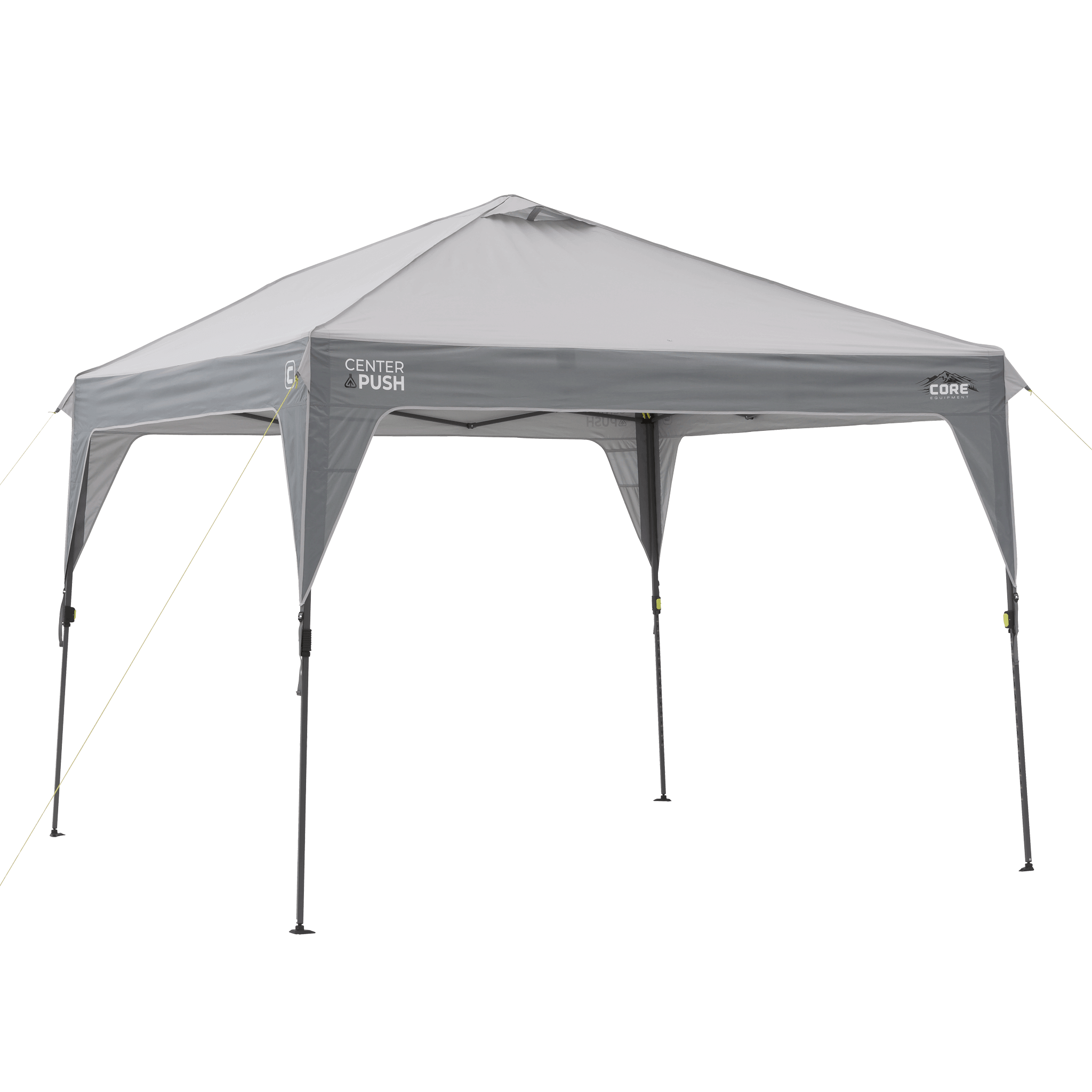

Bugs don't care about your dinner plans. You can have the perfect campsite, a great meal on the table, and the whole crew settled in, and within minutes, mosquitoes turn the evening into a slap-fest. A screen house gives you an enclosed, bug-free zone where you can eat, play cards, read, or just sit without constantly swatting.
If you camp anywhere with mosquitoes, flies, or gnats, choosing the right one makes a real difference. Here's what to consider.
What Is a Screen House?
A screen house is a freestanding shelter with mesh walls and a solid canopy top. It provides shade, airflow, and full insect protection without closing you off from the outdoors. Most models are open-bottomed, meaning they sit directly on the ground with no built-in floor.
A screen house works well as:
- A dining area that stays bug-free during meals
- A shaded lounge space for reading, games, and hanging out
- A covered zone next to your tent for gear storage
- A common area at group campsites where multiple families gather
Screen houses don't replace a tent for sleeping. Along with a shower tent for privacy at the campsite, a screen house is a separate living space that makes the waking hours at camp more comfortable, especially in warm weather when bugs are most active.

Choosing the Right Size
Size determines how many people fit comfortably and what you can do inside the screen house. A small model works for a table and two chairs. A larger one becomes a full outdoor living room.
| Size | Floor Space | Fits | Best For |
|---|---|---|---|
| 10' x 10' | 100 sq ft | Table + 4 to 6 chairs | Small groups, compact campsites |
| 11.5' x 10' | 115 sq ft | Table + 6 chairs + cooler | Mid-size families, versatile use |
| 12' x 10' | 120 sq ft | Full dining setup + lounge space | Large families, group campsites |
CORE's 10' x 10' Instant Screen House is a solid pick for smaller groups or campsites with limited space. The 11.5' x 10' Center Push Instant option offers a little more room, with a center-push setup and eaved roof design that works well for meals, seating, and general campsite shade.
A good rule of thumb: if you plan to put a table and chairs inside, go one size up from what feels "just right." Extra room for walking around the table and pulling chairs out makes the space much more usable.
Instant Setup vs. Lighted Models
All CORE screen houses use instant setup with pre-attached poles. You can unfold, extend, and lock into place in about 60 seconds. No loose poles or threading sleeves.
Lighted models add a built-in feature worth considering. The 12' x 10' Lighted Instant Screen House includes LED lights built into the ceiling poles with three brightness modes: high, low, and night light. A wall switch controls everything. The lighted model also comes with a removable rainfly that can be attached during the day for extra sun coverage, then removed after dark for a clear view of the sky through the mesh ceiling.
For campers who use their screen house primarily during evening hours, the built-in lighting eliminates the need for a separate lantern inside the enclosure.
Setup and Placement Tips
Where you place a screen house at your campsite matters as much as which one you buy.
- Position it near the tent. A screen house works best as an extension of your living area, close enough to walk between without hauling gear across the campsite.
- Face a door toward the cooking area. Easy access between the screen house and your stove or grill keeps mealtime efficient.
- Stake it down. Screen houses catch wind. Use the included stakes and guylines to anchor all corners, even on calm days.
- Avoid low spots. Since screen houses have no built-in floor, placing one in a low area means water pooling underneath during morning dew or unexpected weather.
Screen House vs. Tent with Screen Room
A screen house and a tent with screen room serve different purposes. A tent with a screen room, like the 6 Person Straight Wall Cabin Tent with Screen Room, combines a sleeping area with an attached screened porch. Everything is one unit.
A standalone screen house gives you a flexible space you can position separately from your tent, while a tent with a screen room keeps your sleeping and living areas connected in one setup. Both can create a comfortable screened space, so the better fit comes down to how you want to organize your campsite and use the space.

Create Your Outdoor Living Room
A screen house turns any campsite into a comfortable, bug-free zone where the whole crew can hang out. Match the size to your group, stake it down properly, and position it where it connects naturally to the rest of your setup.
CORE screen houses give you a comfortable spot to eat, relax, play games, and spend more time outside. Set up a space that makes everyone want to linger a little longer.
Frequently Asked Questions
What Is a Screen House Used For?
A screen house creates a bug-free, shaded outdoor space for dining, lounging, and group hangouts at the campsite. Mesh walls provide airflow and insect protection.
How Do I Pick the Right Size Screen House?
Match the size to your group and planned use. A 10x10 fits a small table and chairs. A 12x12 accommodates a full dining setup with room to move.
Do Screen Houses Keep Bugs Out While Camping?
Yes. Mesh screen walls on all sides block mosquitoes, flies, and gnats while allowing airflow. Zippered doors seal the enclosure when closed.
Do Screen Houses Have Floors?
Most screen houses, including CORE models, are open-bottomed. No built-in floor means easy placement on any surface and no tripping over raised edges.
Can I Use a Screen House in My Backyard?
Absolutely. A screen house works anywhere bugs are a problem: backyard camping tent, parks, patios, and sporting events. Same setup, same protection.
What Is the Difference Between a Screen House and a Canopy?
A canopy provides overhead shade with open sides. A screen house adds mesh walls for enclosed, bug-free coverage. A screen house is the better choice when insects are a concern.


