



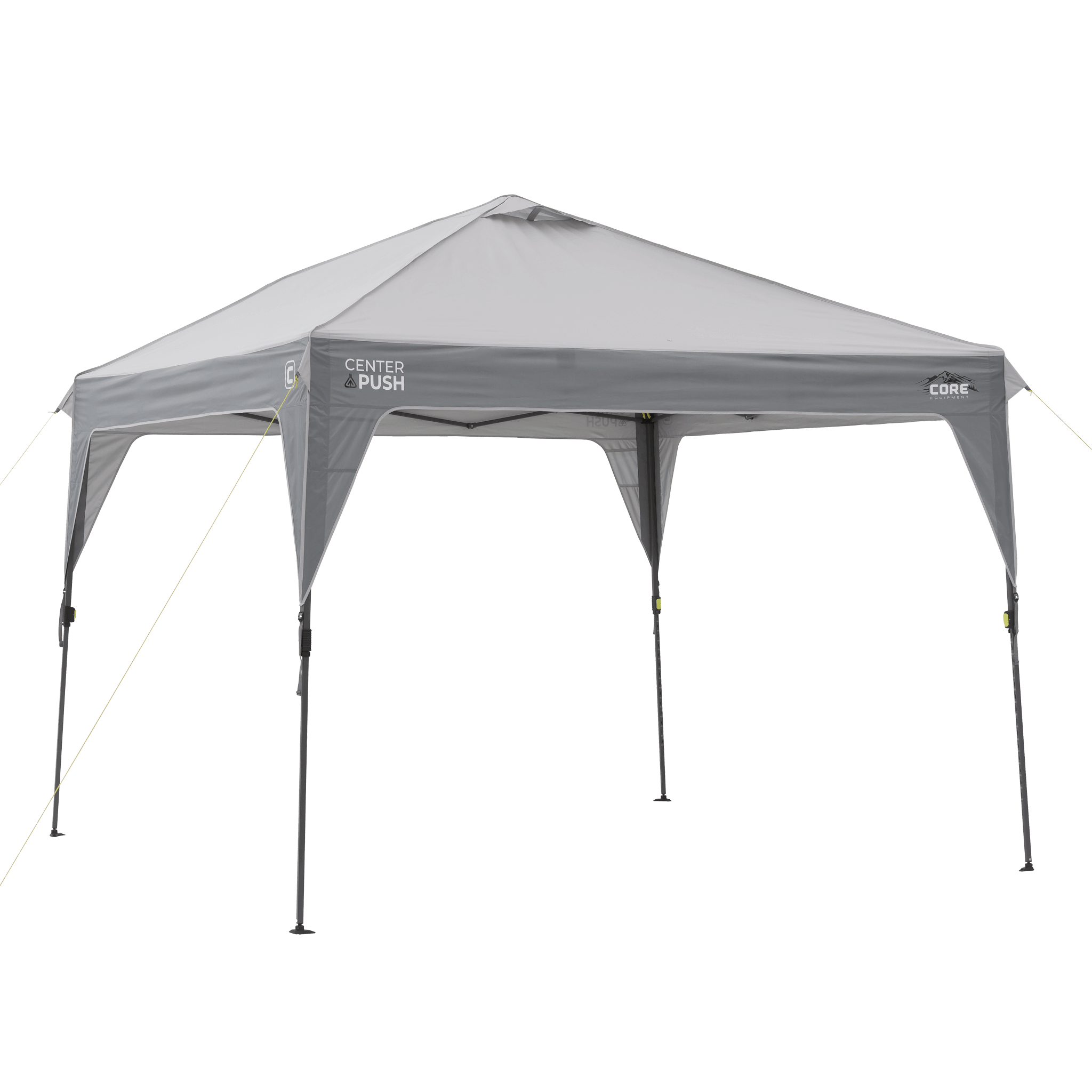

Cooler nights, fewer crowds, and fall colors that make every campsite feel like a postcard. Fall camping delivers some of the best conditions of the year, but dropping temperatures demand gear that summer trips do not. A 70-degree afternoon can slide into the 30s by midnight, and the wrong sleeping bag or no camp lighting turns a great weekend into a miserable one.
A solid gear checklist keeps you warm after dark and comfortable all night. Here is what to pack for fall camping, broken down by category.

Sleep Systems: Staying Warm Through Cold Nights
Fall temperatures swing wide, so your sleep setup needs to handle the coldest part of the night, not the average. Ground insulation, the right temperature rating, and layering options make the difference between restful sleep and shivering until sunrise.
Sleeping Bags
Your camping sleeping bag is the single most important piece of fall camping gear. Match the temperature rating to the lowest overnight low you expect, not the daytime high. The 30 Degree Sleeping Bag handles most fall conditions comfortably, with enough insulation for nights in the 30s and 40s. For milder fall destinations where overnight lows stay above 40°F, a 50 Degree Sleeping Bag saves weight and bulk.
Cold sleepers should choose a rating 10 to 15 degrees below the forecast low. Pairing a lighter bag with a Warm Weather Sleeping Bag Liner extends its comfort range and adds versatility without replacing the whole bag.
Sleeping Pads
Cold ground pulls heat away from your body faster than cold air does, and no sleeping bag fully compensates for a bare tent floor. A sleeping pad creates a critical insulation barrier underneath you.
For fall camping, look for a pad with an R-value rated for three or four seasons. The 4 Season Self Inflating Camping Bed provides both cushion and ground insulation in one setup. Lighter sleepers who prefer a compact option can go with the 3 Season Insulated Lightweight Sleeping Pad for milder fall nights.
Camping Cots
A cot lifts you off the ground entirely, eliminating cold transfer from below. The Outdoor Folding Camping Cot sets up quickly and pairs well with a sleeping pad layered on top for extra insulation. Cots also keep your gear organized underneath, freeing up tent floor space for bags and boots.

Lighting: Shorter Days Mean Longer Nights
Sunset arrives earlier each week during fall, and by late October, you may have 13 or more hours of darkness at camp. Reliable lighting keeps your campsite functional and safe from dinner through your morning routine.
Lanterns
A camping lantern anchors your shared spaces. The 1250 Lumen Rechargeable Lantern with Bluetooth lights up an entire picnic area and runs on a rechargeable battery, so you skip the cost of disposables. For smaller setups, the 750 Lumen Rechargeable Lantern covers a table and cooking area without overpowering the atmosphere.
Headlamps
A headlamp frees both hands for cooking, setting up camp in the dark, or navigating trails after sunset. The 1200 Lumen Rechargeable Headlamp offers a red-light mode that preserves night vision and avoids blinding fellow campers. Families or groups who want affordable backup lights benefit from a 500 Lumen AAA Headlamp 3-Pack.

Rest and Comfort: Small Additions, Big Payoff
Beyond sleep and lighting, a few targeted extras round out your fall setup and make camp feel less like survival and more like a place you want to be.
- A Hybrid Travel Pillow packs small and prevents the neck soreness that comes from bunching up a jacket as a makeshift pillow.
- Layered clothing worn to bed, including wool socks and a moisture-wicking base layer, helps regulate body temperature as conditions change overnight.
- Keeping your boots inside the tent vestibule and your water bottle in your sleeping bag prevents frozen surprises in the morning.
Small habits like these add up to a much more comfortable fall camping experience.
Your Fall Gear at a Glance
The right fall camping setup starts with three priorities: warmth for sleeping, reliable lighting for long nights, and comfort items that make everything smoother. Build your checklist around these categories, and you will be ready for whatever the forecast brings. Browse the full lineup of CORE sleep systems, lighting, and camping essentials to find the right gear for your next trip.

Frequently Asked Questions
What Gear Do I Need for Fall Camping?
A sleeping bag rated for overnight lows, a sleeping pad for ground insulation, reliable lighting, and layered clothing cover the essentials.
How Do I Prepare My Campsite for Colder Fall Nights?
Set up your tent on level ground away from wind exposure. Use a sleeping pad underneath your bag and keep extra layers within reach.
What Temperature Sleeping Bag Should I Bring for Fall?
A 30-degree bag handles most fall conditions. Cold sleepers should choose a rating 10 to 15 degrees below the expected low.
Do I Need a Sleeping Pad for Fall Camping?
Yes. Cold ground pulls heat away faster than cold air. A pad with three- or four-season insulation makes a noticeable difference.
How Much Lighting Do I Need for a Fall Campsite?
One lantern for shared areas and one headlamp per person covers most setups. Rechargeable options reduce the weight and cost of extra batteries.
Can I Use a Summer Sleeping Bag in the Fall?
A summer bag works for early fall in warm climates. For overnight lows below 40°F, a bag with a lower temperature rating is safer and more comfortable.
Should I Use a Cot or a Sleeping Pad for Fall Camping?
Both work well. A cot lifts you off cold ground, while a pad insulates from below. Combining them provides the warmest option.


