


![CORE Climakeep 24 can cooler angled view in charcoal with a waterproof design and a shoulder strap. [color:charcoal]](http://www.coreequipment.com/cdn/shop/files/core-24-can-climakeep-backpack-cooler-charcoal-main.png?v=1772230144&width=2048)
![CORE Climakeep 24 can cooler angled view in mulberry with a waterproof design and a shoulder strap. [color:mulberry]](http://www.coreequipment.com/cdn/shop/files/core-24-can-climakeep-bac_ack-cooler-mulberry-main.png?v=1772230034&width=2048)
![CORE Climakeep 24 can cooler angled view in sage with a waterproof design and a shoulder strap. [color:sage]](http://www.coreequipment.com/cdn/shop/files/core-24-can-climakeep-backpack-cooler-sage-main.png?v=1772554650&width=2048)
![CORE Climakeep 24 can cooler angled view in shadow gray with a waterproof design and a shoulder strap. [color:shadow gray]](http://www.coreequipment.com/cdn/shop/files/core-24-can-climakeep-backpack-cooler-shadow-gray-main.png?v=1772657584&width=2048)
![CORE Climakeep 24 can cooler angled view in steel blue with a waterproof design and a shoulder strap. [color:steel blue]](http://www.coreequipment.com/cdn/shop/files/core-24-can-climakeep-backpack-cooler-steel-blue-main.png?v=1772657357&width=2048)

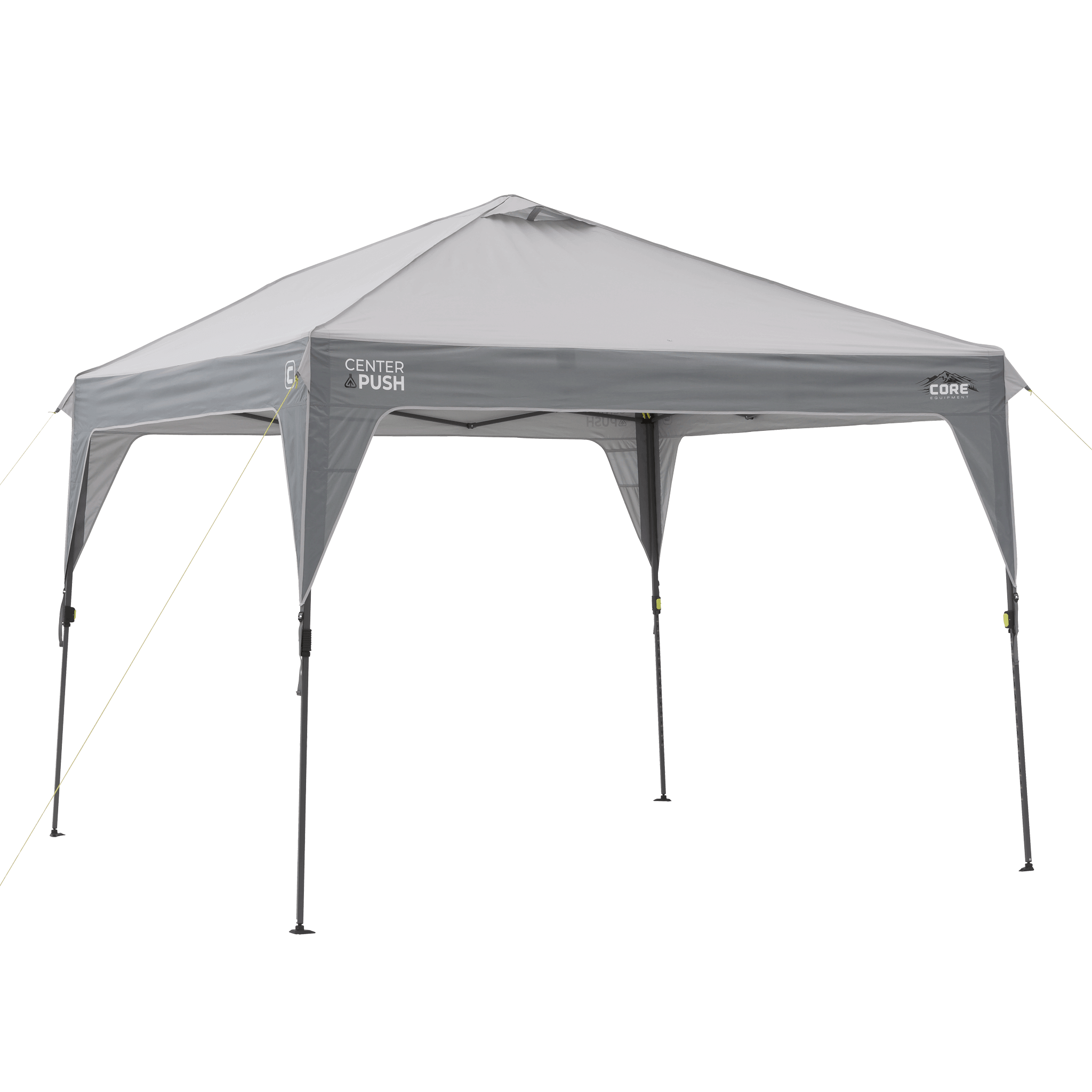

Most campers think about tent care when something goes wrong. A broken zipper, a leaking seam, or that unmistakable mildew smell after opening the storage bag. By then, the fix is usually harder than it needed to be.
Fortunately, keeping your tent in good shape doesn't take much work. A few habits before, during, and after each trip can help protect your shelter. Here's what to know about cleaning, storing, and maintaining your tent so it's ready whenever camping season calls.
How to Clean a Camping Tent
Cleaning frequency depends on how often you camp. After a long trip or any outing involving sand, mud, or tree sap, a cleaning session at home is worth the effort. For shorter weekend trips, once per season is enough.
What to Use
- Non-abrasive sponge or soft cloth
- Cool or lukewarm water
- Mild, non-detergent soap (fragrance-free)
What to Avoid
- Machine washing or drying: Washers can stretch fabric, tear mesh, and damage seams. Dryers generate heat that breaks down waterproof coatings.
- Bleach, spot removers, or harsh dish soaps: Fragranced soaps attract insects, and strong chemicals strip the durable water repellent (DWR) finish.
Cleaning Steps
Lay the tent flat on a clean surface. Spot-clean dirty areas with the sponge and soapy water. For a deeper clean, fill a tub with cool water and mild soap, submerge the tent for a gentle soak, rinse thoroughly, and air dry completely before packing away.
How to Store a Tent Between Trips
Storage is where most tent damage actually happens. The single most important rule is to never store a tent wet. Damp fabric breeds mildew, produces odor, and breaks down waterproof coatings over time.
Best practices for long-term tent storage:
- Dry the tent 100% before putting the tent away. If you packed up in the rain, set the tent up at home or hang the fabric in a garage to dry out before storing it long-term.
- Store loosely in a breathable bag. A cotton pillowcase or mesh sack allows airflow. The stuff sack that comes with your camping tent is great for transport, but too compressed for months of storage.
- Keep the tent in a cool, dry location. Avoid attics, car trunks, and basements where heat and humidity degrade fabric and coatings.
- Minimize UV exposure. Even during a trip, extended direct sunlight breaks down tent fabrics. Leave the rainfly on to protect the canopy underneath.
On-Site Care Tips
A few simple habits during setup and use go a long way toward preventing damage.
- Clear the ground before pitching: Remove pine cones, twigs, and small rocks that could puncture the tent floor. A smooth, level surface is easier on the fabric.
- Use a footprint: A tent footprint sits underneath the tent floor and shields the fabric from abrasion and moisture. CORE footprints are cut to fit without extending past the edges, which prevents rainwater from pooling underneath.
- Be gentle with zippers: If a zipper sticks, hold the track with one hand and gently wiggle the slider back until the caught fabric frees. Forcing a stuck zipper is the fastest way to break one.
- Handle poles with care: On instant tents, extend and lock each leg one at a time rather than snapping the frame open aggressively. On traditional pole tents, push poles through sleeves rather than pulling to avoid tearing the shock cord.
- Leave boots in the vestibule: Dirt, gravel, and grit tracked onto the tent floor sit directly underfoot and abrade the fabric with every step.
- Store food outside the tent: Rodents and other small animals will chew through the tent fabric to reach a snack. Keep food in a sealed container away from the sleeping area.
Basic Tent Repairs
Small issues caught early are easy to fix at home and prevent bigger problems on the next trip.
Patching Small Holes or Tears
A fabric patch kit handles most minor damage. Clean the area around the tear, apply an adhesive-backed patch on the inside of the fabric, and press firmly. For tiny puncture holes, a dab of seam sealer applied directly over the hole works as a quick fix.
Fixing Seam Leaks
Most tents ship with factory-sealed seams, but tape can peel over time. Inspect seams before each season. If tape is lifting, remove the damaged section and apply a seam sealer to the outside of the fabric. Allow 24 hours to dry fully before folding the tent.
Replacing Parts
Broken poles, lost stakes, or a torn rainfly do not always mean buying a new tent. CORE offers replacement parts, including poles, hubs, rainflies, and patch kits that can extend the life of your current shelter.
A Little Care Goes a Long Way
A few minutes of maintenance now can save a lot of frustration at the campsite later. Cleaning off dirt, storing your tent properly, and addressing small repairs early helps your shelter stay comfortable, weather-ready, and dependable for many seasons.
If you need replacement parts, a new footprint, or are thinking about upgrading your current setup, CORE has tents and accessories designed to keep you camping comfortably wherever the next trip takes you.
FAQs
Can you machine wash a camping tent?
No. Machine washing stretches fabric, tears mesh, and damages waterproof coatings. Always hand-wash with mild, non-detergent soap and cool water.
How often should you clean a tent?
After any long or messy trip. For shorter outings, once per season is enough to remove buildup and keep the fabric performing well.
Can you store a tent in the stuff sack long-term?
Not recommended. Compressed storage weakens coatings and creases fabric. Use a loose cotton bag or mesh sack in a cool, dry place.
How do you fix a small hole in a tent?
Clean the area, apply an adhesive-backed fabric patch on the inside, and press firmly. For tiny holes, seam sealer applied directly works well.
Does UV damage tent fabric?
Yes. Prolonged sun exposure degrades tent fabrics over time. Leave the rainfly on when the tent sits in sunlight and move the tent to shade when possible.
How do you unstick a tent zipper?
Hold the zipper track with one hand and gently wiggle the slider backward until the stuck fabric frees. Never force the slider forward.


