


![CORE Climakeep 24 can cooler angled view in charcoal with a waterproof design and a shoulder strap. [color:charcoal]](http://www.coreequipment.com/cdn/shop/files/core-24-can-climakeep-backpack-cooler-charcoal-main.png?v=1772230144&width=2048)
![CORE Climakeep 24 can cooler angled view in mulberry with a waterproof design and a shoulder strap. [color:mulberry]](http://www.coreequipment.com/cdn/shop/files/core-24-can-climakeep-bac_ack-cooler-mulberry-main.png?v=1772230034&width=2048)
![CORE Climakeep 24 can cooler angled view in sage with a waterproof design and a shoulder strap. [color:sage]](http://www.coreequipment.com/cdn/shop/files/core-24-can-climakeep-backpack-cooler-sage-main.png?v=1772554650&width=2048)
![CORE Climakeep 24 can cooler angled view in shadow gray with a waterproof design and a shoulder strap. [color:shadow gray]](http://www.coreequipment.com/cdn/shop/files/core-24-can-climakeep-backpack-cooler-shadow-gray-main.png?v=1772657584&width=2048)
![CORE Climakeep 24 can cooler angled view in steel blue with a waterproof design and a shoulder strap. [color:steel blue]](http://www.coreequipment.com/cdn/shop/files/core-24-can-climakeep-backpack-cooler-steel-blue-main.png?v=1772657357&width=2048)

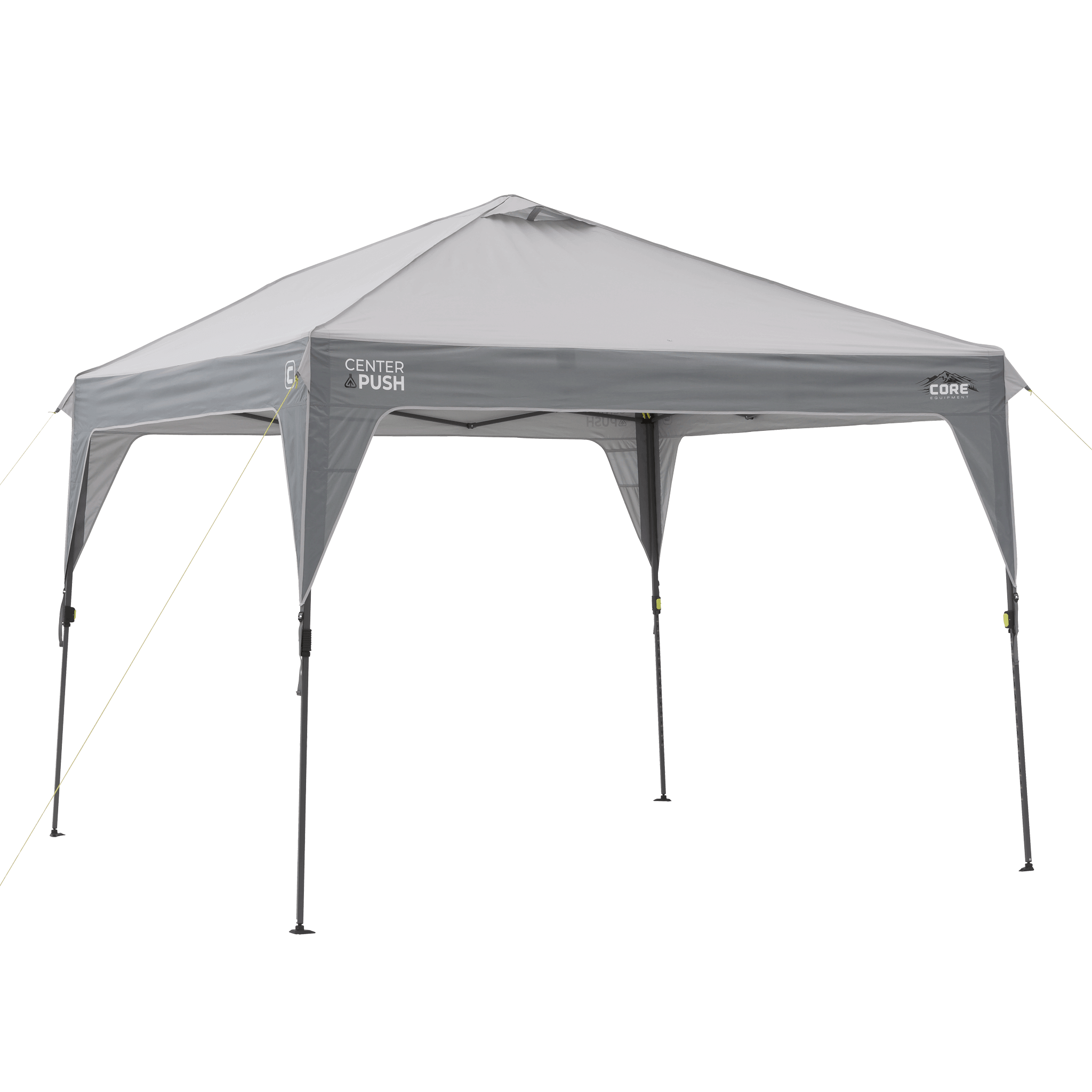

The first warm weekend of spring hits, and every camper has the same thought: load up and go. But gear that sat in a garage or storage bin all winter deserves a once-over before the first trip. Zippers stiffen, batteries drain, and moisture you did not notice in November becomes mildew you definitely notice in April.
A quick pre-season gear check takes about an hour and saves you from arriving at the campsite with a dead headlamp or a tent that smells. Here is how to prepare camping gear and get everything ready before the campgrounds start filling up.
Inspect Your Tent
Start with the shelter. Lay your tent flat in the backyard or on the garage floor and run through a full tent inspection.
- Fabric: Look for small tears, pinholes, or any spots where the coating feels tacky or flaky. A tacky interior is an early sign of polyurethane breakdown.
- Seams: Run your fingers along the taped seams. If the tape is peeling or bubbling, those seams need seam sealer before the first rainy night.
- Zippers: Open and close every zipper fully. If any track sticks, a zipper lubricant fixes most issues in seconds.
- Poles: Extend each pole and check for bends, cracks, or chips. On instant tents, lock each leg and confirm the spring-loaded buttons click firmly into place.
- Floor: Flip the tent over and inspect the bottom for wear. If the floor shows scuffing or thinning, a tent footprint adds a protective layer underneath.
Check Your Sleep System
A sleeping bag that sat compressed in a stuff sack all winter loses loft. Pull out every piece of your sleep setup and let the insulation decompress for a few hours before packing again.
- Sleeping bags: Unroll, air out, and check for zipper snags or torn baffles. Wash only if needed, and use a front-loading machine with mild soap on a gentle cycle.
- Sleeping pads: Inflate fully and leave overnight. If the pad loses pressure, a slow leak needs patching before the first trip.
- Camp cots: Unfold the frame and check for bent legs or loose joints. Wipe down the fabric and confirm the frame locks securely.
- Pillows and blankets: Air out and spot-clean any stains. CORE's Staydown Anchortech camp blanket just needs a shake and a wipe to be ready.
Test Your Lighting
Dead batteries and drained rechargeables are the most common spring gear failures. Charge every rechargeable headlamp and lantern to full capacity before packing. For AAA-powered lights, swap in fresh batteries now rather than discovering dead ones at camp. You can also pack extra batteries, just in case.
Test each mode on every light: red light, high beam, low beam. If a switch feels sluggish or a lens is cracked, replace the unit.
Prep Your Cooler
Open your cooler and give the interior a thorough wipe-down with mild soap and warm water. Winter storage can leave behind stale odors, especially in sealed, welded-construction coolers where trapped moisture has nowhere to evaporate.
Check the zipper on zippered models. On MagSnap coolers, confirm the magnetic seal pulls the lid closed firmly.
Review Your Camp Clothing
Spring weather is unpredictable. Morning lows in the 30s and afternoon highs in the 60s are common across most US campgrounds in March through May.
- Pack a warm mid-layer (fleece or hoodie) for mornings and evenings.
- Bring a lightweight rain jacket, even if the forecast looks clear.
- Swap out cotton base layers for moisture-wicking synthetics.
- Check hiking shoes or boots for worn soles or dried-out waterproofing.
Make a Pre-Trip Repair Kit
A few small items prevent common problems from ruining a trip:
- Seam sealer for taped seam repairs
- Adhesive fabric patches for small tears
- Zipper lubricant stick
- Extra stakes and guylines
- Duct tape and/or tent repair tape
Order any replacement parts, including poles, hubs, stakes, and rainflies, before the season.
Get Spring Ready
Spring camping prep is a one-afternoon project that pays off all season. Run through each category, fix what needs fixing, replace what needs replacing, and you will pull into the first campsite of the year knowing every piece of gear is ready.
Ready to gear up for a new season? Browse CORE's full camping lineup and fill any gaps before the spring rush.
FAQs
How do you prepare a tent for the camping season?
Lay the tent flat, inspect fabric and seams, test all zippers, check pole joints, and air-dry fully before packing. Fix any issues before the first trip.
Should you wash a sleeping bag before camping season?
Only if needed. Air out the bag and let the insulation decompress. If washing, use a front-loading machine with mild soap on a gentle cycle.
How do you check if a sleeping pad has a leak?
Inflate fully and leave overnight. If the pad is noticeably softer or flat in the morning, locate the leak and patch before heading out. Sometimes, the leak is due to a valve sitting incorrectly. Make sure your valves look normal before checking for escaping air elsewhere.
What is the most common spring gear problem?
Dead batteries and drained rechargeable lights. Charge every headlamp and lantern before the first trip and/or pack extra batteries.
When should you replace tent seam tape?
If seam tape is visibly peeling, bubbling, or separating from the fabric, apply seam sealer to the fabric and allow 24 hours to cure.
How should you store a sleeping bag between trips?
Store loosely in a breathable cotton or mesh bag. Avoid leaving a sleeping bag compressed in a stuff sack for more than a few days at a time.


